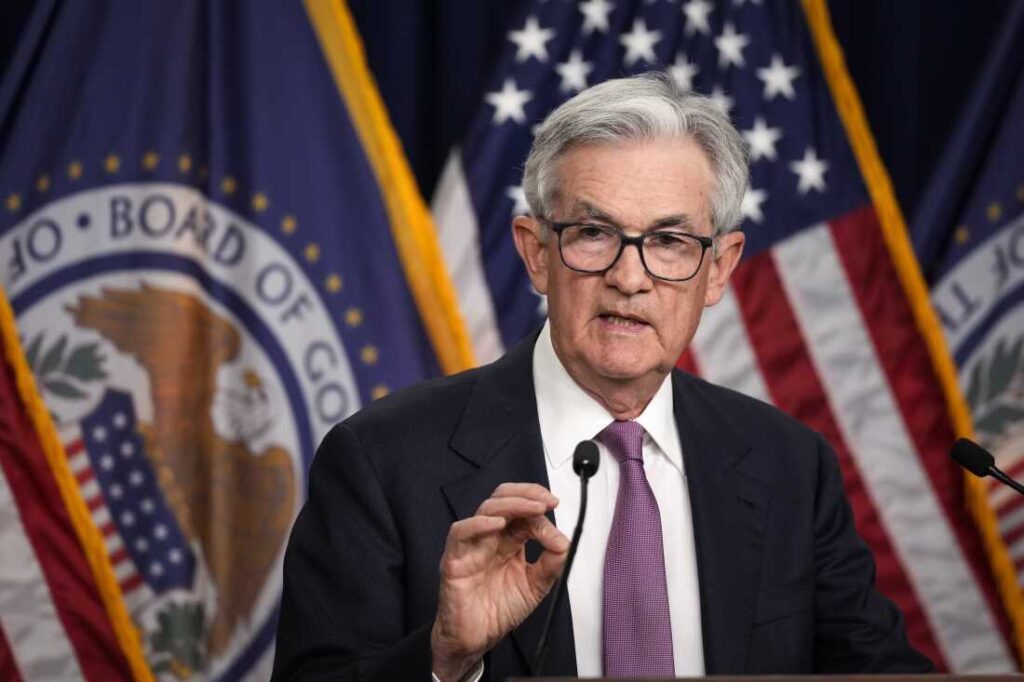
The US Federal Reserve (Fed) finds itself at a critical juncture, as it is expected to make a significant decision regarding the interest rate. Despite political pressure from former President Donald Trump, who has repeatedly called for a rate cut, Fed Chairman Jerome Powell remains steadfast and appears determined to keep the rate unchanged.
Why Is the Fed’s Decision Important?
The Fed’s decision is highly anticipated in the global financial market, given the current economic context:
The Main Dilemma:
The Fed must choose between two conflicting directions:
Keeping the rate to combat inflation: This would contribute to price stability but might slow economic growth.
Cutting the rate to stimulate the economy: This would encourage investments and consumption but risks fueling inflation.
Political Pressure:
Despite Donald Trump’s repeated calls for a rate cut, arguing that the current rates hinder economic growth, the Fed seems poised to maintain its conservative stance.
What Do Analysts Expect?
Although President Trump insists on lowering the interest rate to support the economy, most analysts predict that the Fed will keep the rate unchanged, at least in the short term.
Possible Rate Cut in July:
There are speculations that starting in July, a downward adjustment might take place as the effects of imposed tariffs begin to impact the labor market.
The Impact of Tariffs:
Rising prices of imported goods and reduced competitiveness could lead to job losses, potentially forcing the Fed to reconsider its current position.
What Happens After the Fed Meeting?
After the official announcement, Jerome Powell will hold a press conference to explain the decision.
Unchanged Rate: If the rate remains the same, it will be interesting to see how the Fed justifies the decision in the context of economic and political pressures.
Future Changes: Even if the rates remain unchanged now, the impact of tariffs might force a change in the coming months, especially if the economy shows signs of weakness.
Risk of Stagflation: Analysts warn of the danger of stagflation—a combination of high inflation and job losses, which would be challenging for the Fed to manage.
Trump vs. the Fed: An Ongoing Dispute
Donald Trump has openly expressed his dissatisfaction with the Fed’s monetary policy, accusing the maintenance of high rates of slowing down the US economy. However, despite the pressure, Jerome Powell remains firm, upholding the institution’s independence.
Public Criticism: Trump has repeatedly criticized Powell’s policies, demanding measures that would support economic growth.
Fed Independence: Although there are tensions, Trump has stated that he does not intend to fire Jerome Powell, while still expressing disagreement with the policies being promoted.
What Are the Fed’s Options?
The Fed has several paths to choose from, each with its own advantages and risks:
Lowering the Interest Rate:
Pros: Stimulates the economy in the short term by encouraging investments and consumption.
Cons: Could accelerate inflation, leading to rising prices.
Maintaining the Interest Rate:
Pros: Helps control inflation and maintain financial stability.
Cons: Could negatively impact employment, especially in the context of tariffs.
Stagflation Risk:
Challenge: If the economy slows while prices rise, the Fed will face a difficult task of balancing economic growth and inflation control.
Conclusion: What Comes Next?
The Fed’s decision remains one of the most awaited in recent times, with significant implications for both the US economy and global markets. If Jerome Powell decides to keep the interest rate unchanged, he will have to manage political pressure and clearly explain why this step is necessary in the current economic context.
We use cookies to ensure that we give you the best experience on our website. If you continue to use this site we will assume that you are happy with it.